
Chocolate
Chocolate is a food product made from the cacao tree's fruit or Theobroma cacao, which means "Food of Gods" in Greek. Raw, unprocessed chocolate tastes bitter, but chocolate that is fermented, dried, roasted, and flavoured with sugar and cream tastes fascinating. Around the world, chocolate is consumed both as is and in foods. Over half of all the chocolate we consume comes from West African countries.
Chocolate is one of the most desirable sweets in the world. However, more than just a guilty pleasure, chocolate's origins are steep in art and culture, from the Aztec delicacy of xocoatl (literally bitter water) to modern gourmet chocolates celebrated around the globe.
Most of us think of chocolate as a solid confectionery. However, in the past, initially, it was enjoyed as a drink rather than as something to be eaten. So how and when did this transformation from bean to beverage to bar take place?
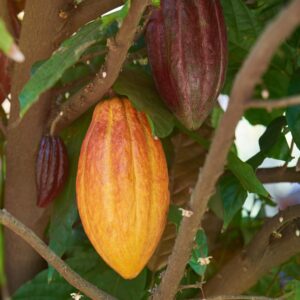
From Bean To Beverage
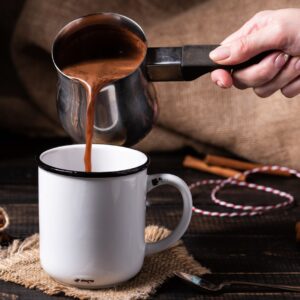
Christopher Columbus discovered cacao beans in Central America in the early 1500s while seeking access to the eastern spice islands. They were considered magical by the native Aztecs, who even used them as currency. In return, Columbus was offered a special drink made from crushed beans laced with chilli peppers and cornmeal and a sack of their precious beans. Despite being unaware of their future economic value, Columbus took some beans to Spain out of curiosity rather than taste.
Moving on twenty years after the arrival of Columbus, the Spain conquistador Hernando Cortés made his appearance on the scene. Unlike Columbus, Cortés immediately understood the incredible potential of the bean, and he took beans back to Spain along with the recipe for xocolatl, the Aztecs' chocolate drink. As he predicted, the drink became popular with the wealthy and snooty elites. Meanwhile, Spanish conquistadors made their money establishing cacao plantations in Central America and other places.
From Beverage To Bar
One of the first makers of chocolate discovered that cacao contained cocoa butter, a fat which produced unpleasant globules on the surface of the beverage. Eventually, a Dutch chemist figured out how to separate the cacao butter and used hydraulic pressure to separate it.
The melted cacao butter is then mixed with ground cacao beans and sugar to make a paste liquid enough to fill a mould. As a result of this innovative idea, the concept of eating chocolate was developed.
Chocolate has been around since the 1700s; it has come a long way. Today, there are various types of chocolate available for different purposes. Chocolate makers are more careful about how their products are sourced, made, and tasted. Chocolate no longer needs to be simply an occasional treat. It is enjoyed every day by people of all ages.
Types Of Chocolate
Couverture Chocolate
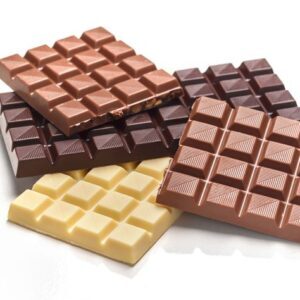
Experts in the field use couverture chocolate. A high level of cacao butter gives it a smooth gloss. This product is suitable for decoration and can also be used to make handmade chocolates. For the product to be of high quality, it must be tempered. In Sovereign saffron, we use Couverture chocolate to make all our hand-crafted artisan chocolates.
Click the link below if you would like read more about coverture chocolate.
Plain Dark Chocolate
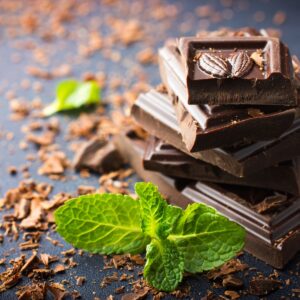
Dark chocolates contain 70% or more cocoa solids and are often referred to as bitter or continental chocolate. Other types contain more milk, sugar, compared to dark chocolate.
Click the link below if you would like to know more details about dark chocolate and some of our dark chocolate products.
Milk Chocolate
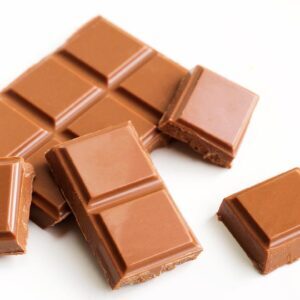
The taste is mild and sweet, and it is generally made with milk solids and between 33-50% cocoa solids. Milk Chocolate is the most popular eating chocolate around the globe.
Click the link below if you would like to know more details about milk chocolate and some of our milk chocolate products.
Unsweetened Chocolate
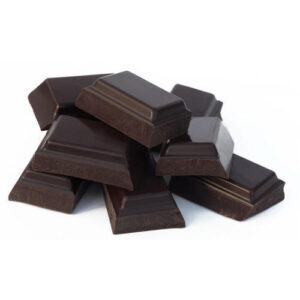
Dark unsweetened plain chocolate is the most suitable for baking recipes. It consists of anywhere from 30% - 70% cacao solids. The higher the cacao content, the better the flavour and taste.
White Chocolate
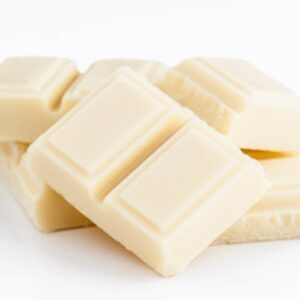
White chocolate doesn't contain any cocoa solids. The flavour comes from the cacao butter, requiring extra attention when melting since it doesn't withstand heat well and is susceptible to stiffening if too hot.
Click the link below if you would like to know more details about white chocolate and some of our white chocolate products.
Cocao Powder
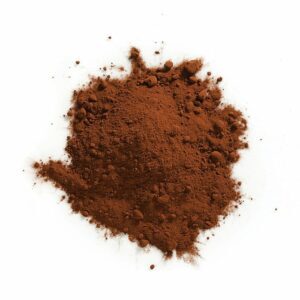
Cocao powder is made of the residue left over after most of the cocoa butter is extracted. This cocoa mass is then roasted and ground into a fine powder. This ingredient is the best choice to add chocolate flavour to cakes and desserts without adding too much sweetness.
Chocolate Chips
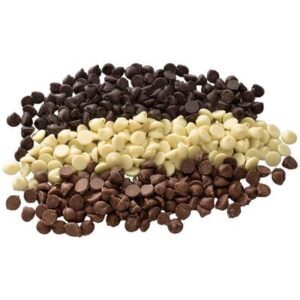
Each pack contains pieces that are just the right size for stirring directly into cookie dough or for melting into your cake or cupcake batter. Chocolate chips have fewer cocoa solids and come in different types, such as dark, milk and white.
Organic Chocolate
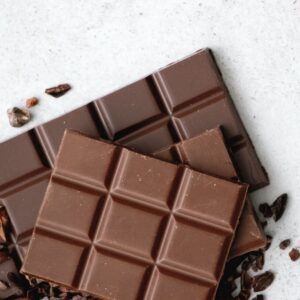
Organic chocolate is more expensive than other types of chocolate, but the higher cost results in better quality. It is produced in a more ethical and environment-friendly procedure. Dark milk and flavoured varieties are available.
Coating Chocolate
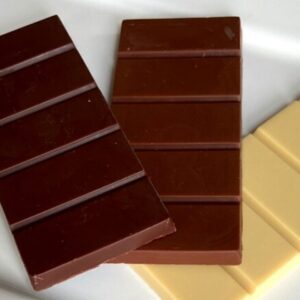
This blend of sugar, vegetable oil, and cocoa flavouring should be used for coating cakes and decorating the cake's exterior. The flavour is not the greatest. Nevertheless, its high fat content makes it great for making chocolate curls or other decorations.